
 EN
EN



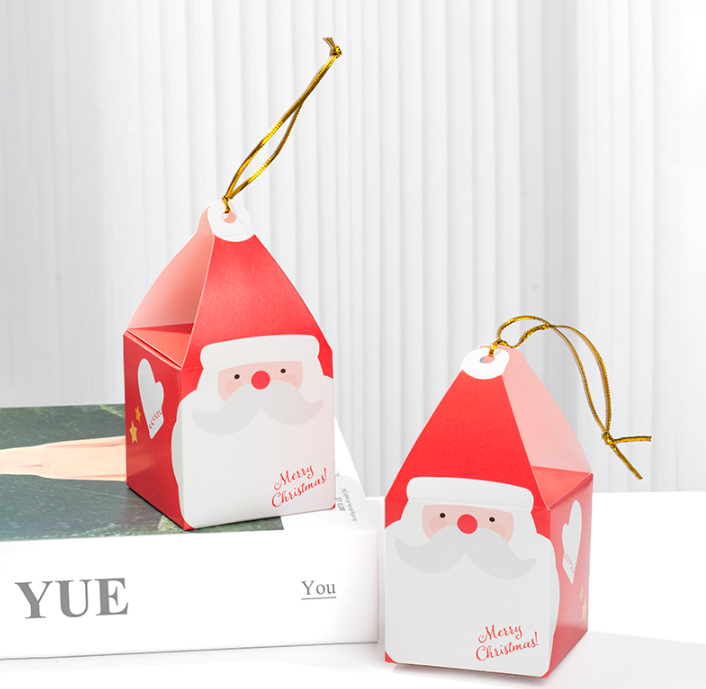
Begin with the dimensional weight trap
A lot of people think shipping cost is just about how heavy a package is. That is not really true anymore. Carriers like UPS, FedEx, and USPS now look at how much space your package takes up on their trucks and planes. They call this dimensional weight, or DIM weight for short. Basically, they charge you for the space you use, not just the weight you send.
They even have a specific formula for this. For any paper box, you measure the length, width, and height in inches. Multiply those three numbers together to get the cubic size. Then divide that number by something called a DIM divisor. For UPS and FedEx, the divisor is 139. For USPS, it is 166, but only if the box is bigger than one cubic foot. Then you compare that DIM weight to the actual weight on the scale. Whichever number is bigger is what you pay for.
Imagine you have a paper box that is 20 inches long, 15 inches wide, and 10 inches high. The cubic size is 3,000. Divide that by 139, and you get about 21.6 pounds. If the actual weight is only 10 pounds, you still pay for 22 pounds. That extra cost adds up fast when you ship a lot of boxes. The unfortunate part is that many businesses lose money every single day just because they never learned how this works.
Measure your product the right way
It is easy to jump straight to packing, but first you need to measure your products properly. Grab a precise measuring tool and write down the length, width, and height. But do not stop there. You also have to account for any internal packaging materials like bubble mailers, foam inserts, or air pillows. All of those take up space.
A common mistake is measuring the product alone and forgetting about protective packaging. That leaves no room for cushioning, and your items will bounce around during shipping. Deliveries are likely to arrive damaged and upset your customers. On the other hand, using a paper box that is way too large is just throwing money away. A safe bet is to add about half an inch on each side for protective padding. A little bit of trial and error upfront can save you a lot of headaches later.
Aim for a snug fit without wasting space
The goal when picking a paper box is to have it fit your product and padding almost perfectly with no empty space left over. Every inch of unused space inside the box is space you are paying the carrier to move around. And they do not give you a discount for shipping air.
DIM weight is the shipping company's way of calculating cost based on box size as well as weight. Using a big box for a relatively small product will give you a high DIM weight. If your box is not a snug fit, you end up paying more for shipping than necessary.
Most businesses use standard box sizes for convenience, but that is bad practice for shipping costs. Every order that goes out in a paper box that is larger than needed slowly eats away at your profits. Over time, those extra inches on every single shipment add up without you even noticing.
Watch out for those extra inches
Here is something that surprises a lot of people. Adding just one inch to each side of your paper box can increase the DIM weight by a huge amount. Let me show you with some quick math.
Take a box that is 10 by 10 by 10 inches. The cubic size is 1,000. Divide that by 139, and the DIM weight is about 7.2 pounds. Now add one inch to each side, so the box becomes 11 by 11 by 11. That comes out to 1,331 cubic inches. Divided by 139, you get about 9.6 pounds. That is a 33 percent increase in DIM weight just from adding one inch on each side. And the actual weight of your product did not change at all.
This is why right sizing your paper box is so important. Each inch you add to your packing setup costs you more in DIM weight. So before you seal up that box, take a second look and ask yourself if you could go smaller.
Know your carrier and use the right numbers
Not all carriers calculate DIM weight the same way. You need to know the rules for whoever you ship with most often. FedEx and UPS use a divisor of 139 for almost everything, with no minimum size threshold. That means even a small paper box can be charged by DIM weight if it is light enough relative to its size.
USPS is a little different. They only apply DIM weight to packages that are larger than one cubic foot, which is 1,728 cubic inches. For those larger boxes, they use a divisor of 166. Smaller boxes under that threshold are charged by actual weight only. So if you ship a lot of small, lightweight items, USPS might be a better deal for you.
Carrier regulations change from time to time, so it is a good habit to stay updated. In 2026, UPS and FedEx have been refining their DIM weight pricing and surcharge rules, putting more emphasis on accurate dimensions. What worked last year might not be the cheapest option this year.
Think about stacking and palletizing too
If you ship large volumes, especially on pallets, box dimensions matter beyond just DIM weight. When boxes stack neatly on a pallet, you fit more onto each shipment. That means fewer trips and lower costs per unit.
Standard box sizes that are designed to work well together on a pallet can save you a lot of money. If your paper boxes are all different shapes and sizes, they leave gaps. Those gaps are wasted space, and wasted space is wasted money. Some businesses have reduced their freight costs by 18 percent or more just by optimizing their box dimensions for pallet loading.
So when you are choosing a paper box, think about the whole journey. How will it fit in your storage area? How will it stack on a truck? Every step of the shipping process has costs attached to the space your boxes take up.
Run a quick test on your current setup
Here is something you can do today. Grab one of the boxes you ship regularly. Measure it carefully. Write down the length, width, and height. Calculate the DIM weight using the formula for your main carrier. Then compare that to the actual weight of the box when it is packed and ready to go.
If the DIM weight is higher than the actual weight, you have an opportunity to save money. Try finding a slightly smaller paper box that still fits your product safely. Run the numbers again. See how much the DIM weight drops. Then multiply that saving by the number of boxes you ship each month. That number might surprise you.
To illustrate this, a cosmetics store once used oversized boxes unnecessarily and increased their monthly shipping costs by 20 percent. Fixing that problem put that money straight back into their pocket. No extra sales needed, just smarter packaging.
A quick recap
Choosing the right paper box is one of the easiest ways to cut your shipping costs without changing anything else about your business. Learn how DIM weight works. Measure your products carefully, including padding. Pick a box that fits snugly with minimal empty space. Watch out for how much those extra inches cost you. Know your carrier's specific rules. And think about how your boxes stack on pallets if you ship in volume. A little attention to these details can save you a surprising amount of money every single month.