
 EN
EN



First, know what kind of bread you are dealing with
When it comes to different types of bread bag, you will have to spend more than just picking the cheapest option. An inappropriate choice can turn a beautiful loaf into a miserable soggy mess or a dry crumbling brick. There is something called a moisture barrier that makes all the difference. Different loaves need different levels of protection. Some want to be tightly sealed while others need more airflow. Let us walk through how to choose the right bread bag without losing your mind over complicated details.
First, you should really look at the bread itself. Soft breads like brioche or soft sandwich loaves have a totally different set of needs compared to crusty breads like baguettes and artisan sourdoughs. Soft breads are packed with sugar, butter, and eggs. They need a bread bag that holds moisture in. If you let air get inside, the bread starts drying out fast. The opposite is true for crusty breads. You cannot seal these tightly in a bread bag. There is a reason they have that crispy crust. If you bag them and do not let them breathe, the trapped steam will make the crust turn chewy and sad. So before you choose anything, let the type of bread point you toward the best option.
At the job site, materials matter a lot
Your choice of material for a bread bag can greatly affect how well it retains moisture. When it comes to keeping things humid, nothing beats plastic. Bags made of polyethylene, especially LDPE and HDPE, have superior moisture retention. These materials are designed to act as a real barrier, and their flexibility and softness help create a perfect seal. These are ideal for fresh, soft breads. But using a plastic bread bag for a crusty loaf like a baguette is a bad idea. The moisture that gets trapped inside will make that lovely crisp crust lose its crunch and turn into a rubbery texture. Nobody wants that.
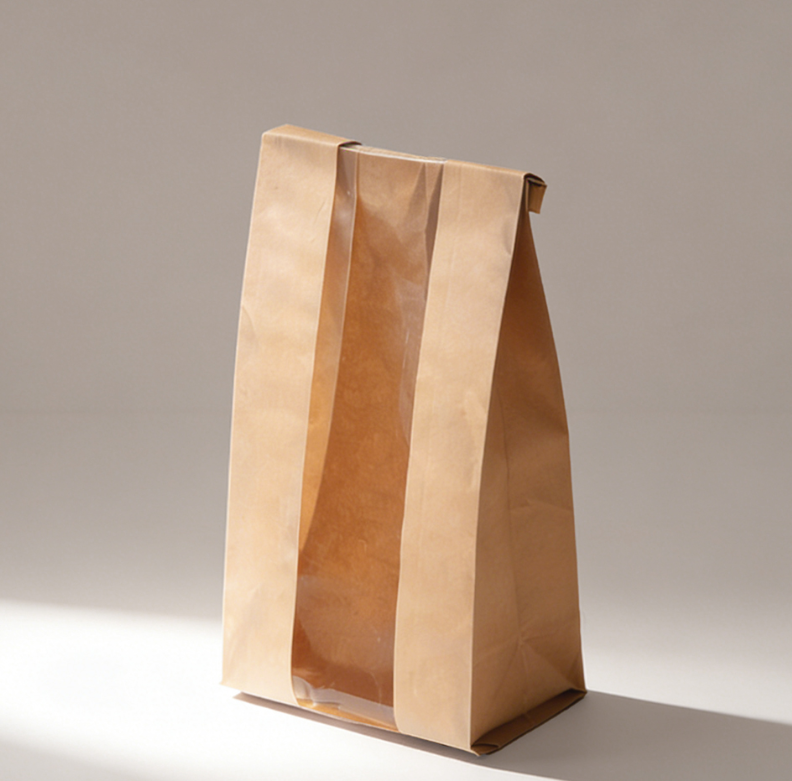
Then there are paper bags made from kraft paper. Kraft paper is breathable, which means the bread can breathe. This is especially good for artisan breads. It also helps the bread bag avoid condensation building up from the moisture inside. But kraft paper does have a downside. It is terrible at holding moisture in. For soft breads, a paper bread bag will make them go stale in no time. So moisture retention is the make or break factor when choosing materials for different bread types.
There are also other materials that try to give you the best of both worlds. Take plastic laminated paper or various sandwich composites that have a plastic moisture barrier on the outside and a breathable layer inside. The goal of these innovations is to preserve both the moisture level and the texture of the crust. Pretty clever stuff.
Look at the sealing method
In addition to the material, how you close your bread bag also impacts freshness. A loose closure lets air in and moisture escape. A secure closure keeps everything locked inside. Soft breads need a bread bag that can be closed completely. For total air blocking, heat sealed bags are fantastic for commercial use. For regular consumers, a zipper bag lets you open and reseal without losing freshness. A simple twist tie is not ideal because it does not create a real seal.
Crusty breads need a bread bag that does not seal completely. A loose twist tie or just folding the open end lets excess moisture escape. Some bakers use drawstring bags so they can adjust the tightness as needed. The point is, closures are not one size fits all. A tight seal is not always the best choice. Sometimes a little air is exactly what your bread needs.
Consider micro perforations
There is a clever feature that many people overlook. Micro perforations. These are tiny little holes punched into the bread bag that allow a controlled amount of airflow. They are a game changer for crusty breads. Micro perforations help the bread bag protect against dust and dirt, but they also let internal steam escape. That trapped steam is the main reason why a crust gets soggy and a sourdough dries out in a weird way. For soft breads, you actually want a moisture proof sealed bread bag with no holes to keep the crust soft. So ask yourself. Does your bread need to breathe or not? The answer will tell you whether micro perforations are the right choice.
Think about the temperature when you bag the bread
You might be surprised to hear this, but the exact moment you put bread into a bread bag makes a huge difference. If you bag a warm loaf, you create a warm and moist environment inside the bag. That moisture then gets absorbed by the bread. For crusty loaves, this is a disaster. The crust becomes soft and loses all its crispness. For soft loaves, the extra moisture can make the surface sticky and even encourage mold growth. To keep your bread in top shape, let it cool completely before putting it in a bread bag. For most loaves, that means waiting until the temperature drops to around 95 to 105 degrees Fahrenheit. Some bakers wait even longer. Yes, it takes patience. But the results are worth it. A warm loaf shoved straight into a sealed bread bag will only bring you sadness.
Consider how long the bread needs to last
Will your bread be sold for same day consumption, or does it need to stay fresh for a whole week? If it is same day, then almost any bread bag will work just fine. A simple paper bag or a basic plastic bag will do because the bread does not have time to go bad. But for longer storage, moisture control becomes critical. If your bread needs to last three to five days, then a plastic bread bag with a really good seal is your best option. It will help retain moisture and slow down the staling process. If you have a crusty bread that needs to last a few days, then a micro perforated bread bag is the way to go. Breathability and protection are the most important things there. Some bakeries use foil lined bags for bread that needs a really long shelf life, but that is overkill for everyday bread. Just be realistic about how long your product will sit around.
Do not forget about the visual side
This is not purely about moisture, but appearance matters too. A bread bag that keeps the bread fresh but looks ugly is going to be a poor seller. People make their first impression with their eyes. If the bag is dull, creased, or wrinkled, many potential customers will just walk past it. Transparency is a big selling point for a bread bag because the bread can show through. Polypropylene bags are preferred because they offer superior clarity and gloss. That gives the loaf a bright, fresh look. For artisan brands, a paper bag provides a lovely rustic touch. But no matter what material you choose, make sure the bread bag does not hide the view of your product. The whole point is to let people see the fresh bread you worked so hard to make. A bag that blocks the view does not help you at all.
Summary
We have covered some key insights on why pairing your bread with the right bread bag helps avoid spoilage, and why the bag is just as important as the bread itself. Depending on what you are packaging, you need to make an informed choice. Soft bread requires a tighter sealing bag with lower breathability and good moisture retention. Plastic bags are ideal for this because they seal tightly and have no holes. For crusty bread, you want a bread bag that has some breathability. Paper bags or perforated plastic bags are good options since they are designed to close less tightly and allow air to circulate. Remember to think about how long you need to store the bread. The material, the seal, and micro perforations all influence how air and moisture move around. Your bread deserves a bag that looks great too. When you have considered all of this, you will have chosen a great bread bag that preserves freshness and ensures a beautiful appearance. Packing your bread without this thoughtful consideration will only disappoint your customers and lead to wasted product. So take a minute to think it through. Your bread will thank you.