
 EN
EN



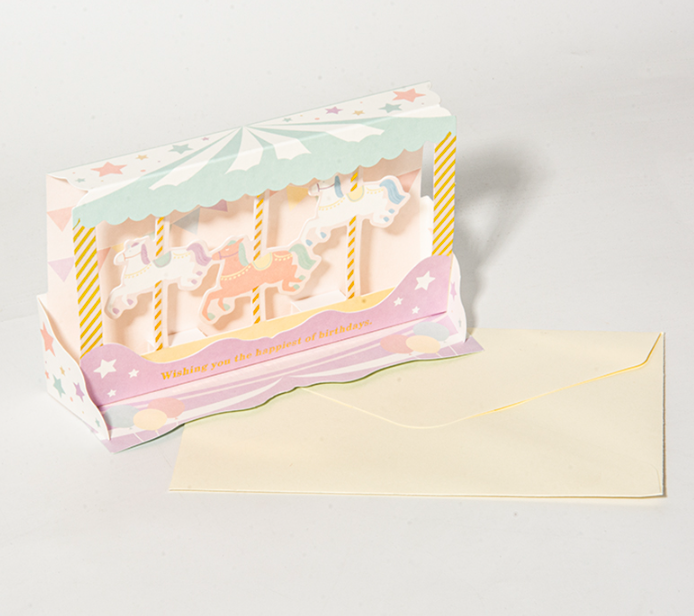
Gift cards are everywhere and for good reason. They are easy for the consumer to purchase and easy for the recipient to use. Some retailers, however, make the mistake of purchasing gift cards thinking they are simply buying a piece of plastic or a piece of paper with a number on it. They tend to overlook the value that gift cards can provide. The design of a gift card influences the purchase decision for the gift card, impacts the recipient's perception of the gift card, and influences the sales impact the gift card has on a retailer.
A gift card gives a retailer opportunity to communicate with a consumer, and it gives a consumer a store of value or a means of purchasing desired items, and it gives a retailer an opportunity to generate additional sales. A gift card offers the retailer a part of a brand to a consumer.
A gift card reflects your brand
A gift card sends a message about your brand and your company. If the card looks cheap, then the brand is also cheap.
Cheap, generic looking cards can give the impression that a brand is low quality and careless. However, a premium, well-designed business card can showcase the quality and care that went into the card. This is critically important to the gift card selling business. If a card looks high quality and premium, it offers a stronger perceived value than a card that looks low quality. Everyone appreciates a gift that is high quality and makes the giver feel good about the gift.
This is possible because of our printing and production capabilities. Specialized offset printing, die cutting, and hot stamping give cards a higher value that provide a lasting impression. Cards are easily disregarded, but custom cards can present them at a much higher level of value.
Impulse buying is all about how gift cards are displayed.
Impulse buying is critical to the success of gift cards. A customer may enter a business for a different purpose, but a well-designed card display at the checkout counter can change their mind. Customers may grab cards for friends' birthdays or to thank someone at the last minute.
Smart designs take on the role of a silent salesperson in the card-selling business. Interested shoppers are drawn in by seasonal designs and interesting graphics. On the other hand, dull and boring cards will be ignored. Given the choice, shoppers will undoubtedly buy the card with vibrant colors and a dazzling design. Sophisticated and appealing designs are not only pleasing to the eye and encourage the purchase of the card, but they also stimulate the purchase of the card as a gift. By prioritizing a mix of creative and diverse designs, businesses can stimulate impulse buying and capture significant revenue over time.
The tactile experience creates perceived value
Despite the rapid growth of digital industries, tactile objects are still valued. A well-made gift card communicates value. To a recipient, a digital gift code lacks the quality and tangibility of a well-made gift card.
Simple cards can be made into high-end cards through the use of various techniques such as lamination and high-frequency embossing. Other options include more premium papers and textured substrates. Cards that have a lot of weight, a smooth, and a shiny finish give customers that touch of class that they pays for. The customers perceived value of the card can justify the purchase and even motivate the customers to load more money onto the gift card. Although the card is still in the process of being given, the buy confidence in the gift card, building trust, and giving satisfaction.
Tailoring gift card designs to event such as weddings, birthdays, or holidays, encourages emotional engagement. While a generic gift card will suffice, a custom card for the occasion will allow for a more emotional connection to be made. Cards designed for the purpose give the customer a chance to express why they are giving a gift, and make sure the bond is more powerful.
Retailers can, for instance, design special cards for each season or occasion. A well crafted card for Christmas with winter-themed elements, or one for Valentine’s with hearts, allows the card giver to feel like they have chosen something special as opposed to just a plastic card. This card resonates with their emotional needs, and therefore, the chance of a sale goes up. It easy to make the buying decision when one sees a card that matches the occasion and goes with their message over a competitor’s non-personalized card.
Design as a tool for promotions and campaigns
Marketing campaigns can also be executed using gift cards since they can be designed and redesigned. For example, people may feel a sense of urgency to buy a gift card with a limited edition design. This tactic can be used to increase sales when they are predicted to be lower or when a new item is to be launched.
Additionally, the card's design may tie in with a more expansive marketing strategy. For instance, the card may contain a QR code that directs users to a customized landing page, or the card may be crafted to stimulate and promote engagement on social media. When cards are designed beautifully, they tend to be shared on social media, which is a form of free marketing. An attractive gift card can become a social media sensation, which will elevate brand awareness to a level that is far beyond the original intended purpose of the card.
The importance of practicality and sturdiness in design
Although aesthetics are paramount, practical design elements are equally important. A gift card must be designed to last. It should endure the rigors of being transported in a wallet or handbag. The use of quality materials and appropriate laminating techniques will ensure that the card remains in perfect condition until it is eventually used. A card that is damaged easily will be seen as a reflection of poor quality by the brand.
In addition, the design must provide for some branding and instructions. The card must contain the necessary information: the logo, the value (if set), and instructions for how to collect the gift card. Incorporating some of the artistic elements with functional and structural information is an important consideration when designing gift cards. A card that is ambiguous or difficult to interpret can cause frustration for the recipient and diminish the likelihood of redemption, which is the principal purpose of the card.
Final Thoughts
Gift cards serve their purpose as payment methods, but they are also an extension of a customer’s experience with the brand and a form of marketing. The way they are designed influence how consumers feel about brands, and an overall positive experience with the branded gift cards strengthens the emotional engagement. The design of a gift cards is a good way for businesses to facilitate customer emotional engagement and drive sales, especially when regarded as a marketing tool.
Everything from the type of card stock to the printing methods used will affect the finished product. When a card manufacturer takes the time to understand and deliver on these details, a business will receive a product that will sell, but will also work to elevate the brand. A gift card is also a marketing tool, and a well designed one will assist with the experience a business seeks to provide its customers. Repeat business and loyalty is generated largely from the experience that is associated with the sale, and the marketing tool.